Smarter Shipping for Retail POP Displays
How Wonderful® Pistachios Reduced Damage and Increased Efficiency
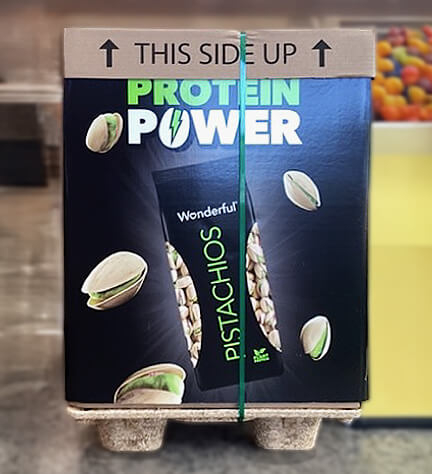
Case Study Summary
Wonderful® Pistachios was experiencing frequent damage to its seasonal POP displays due to unreliable recycled wood pallets. Pallet failures during transit led to broken displays, disrupted retail setups, scratched store floors, safety concerns for employees, and compensation claims from retailers — creating risk across the supply chain.
Wonderful® Pistachios partnered with Litco to pilot pressed wood quarter pallets designed for strength, safety, and sustainability. Through real-world impact testing and close collaboration, Litco helped refine both the pallet and the packaging process, replacing labor-intensive methods with a safer, more efficient gluing and strapping approach.
By switching to Litco’s pressed wood quarter pallets, Wonderful® Pistachios reduced POP display damage and improved safety across the supply chain. The nestable pallet design also enabled more than 4X the pallets per truckload, driving major shipping and storage efficiencies.
8 Minute Read
The Challenge
8 Minute Read
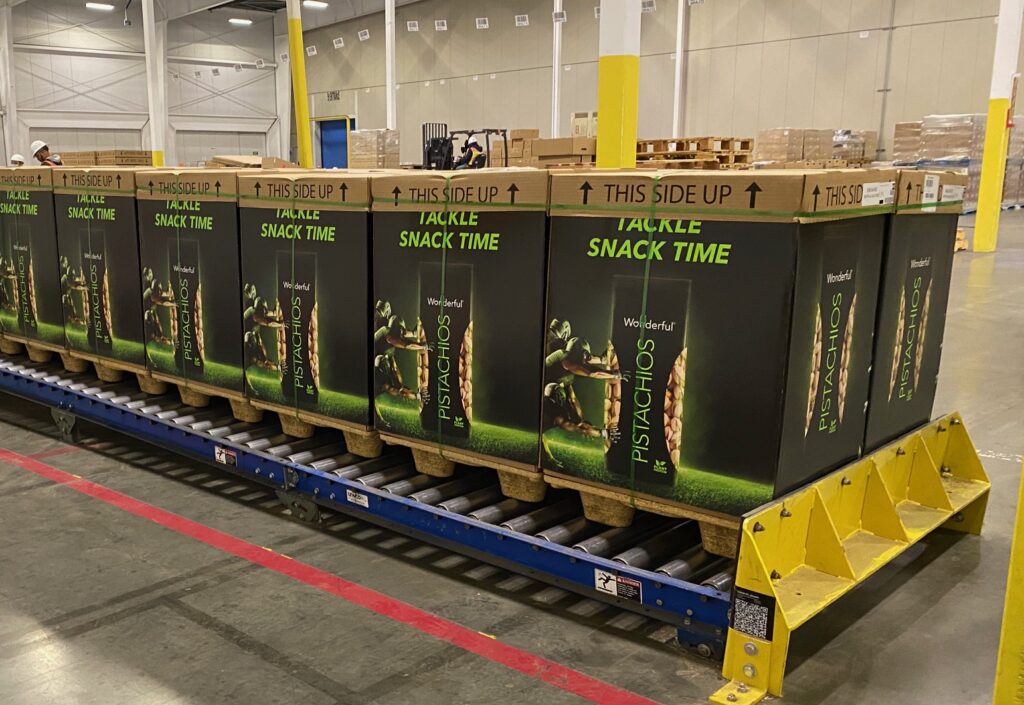
Wonderful® Pistachios, America’s top-selling snack nut, was experiencing shipping damage to its seasonal point of purchase (POP) displays. The primary cause: unreliable recycled wooden stringer pallets. While these pallets aligned with the company’s sustainability goals, they often failed in transit— resulting in broken POP displays, disrupted retail setups, and compensation claims from retailers. In addition to shipping issues, the wood pallets created safety concerns for warehouse and retail staff. Exposed nails, splinters, and loose debris led to injuries and handling inefficiencies. Some retailers also reported scratches on store floors caused by the nails in the wood pallets. These issues affected multiple points in the supply chain, making it clear that a change was needed.
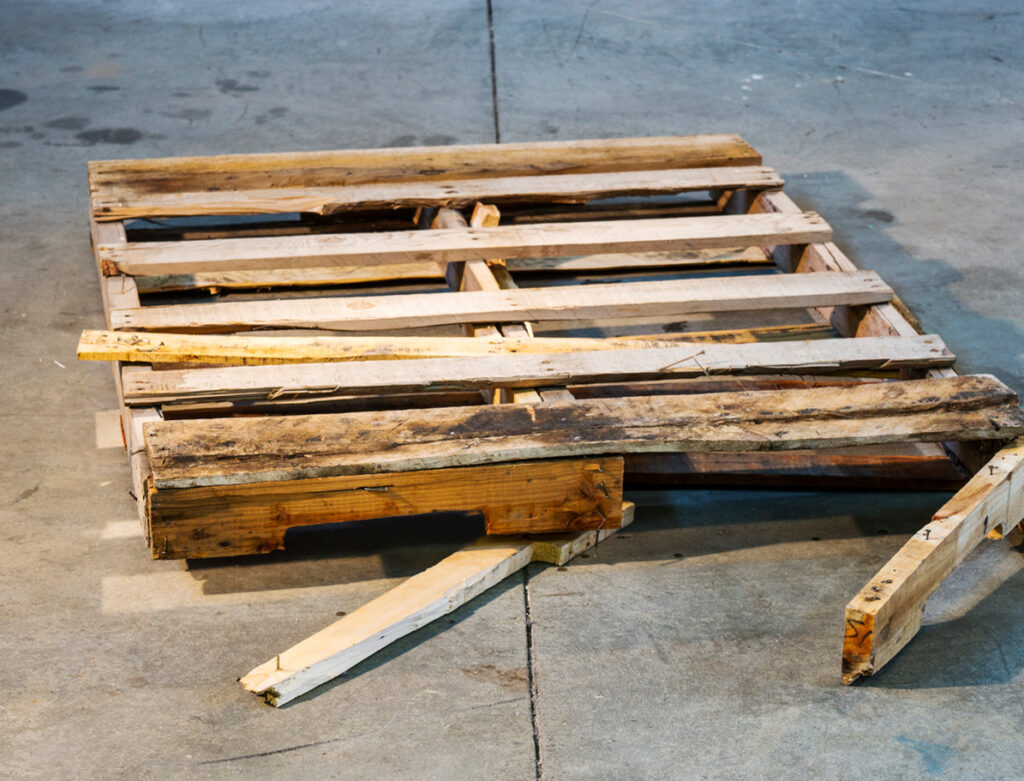
Recycled wood pallets often failed in transit—resulting in damaged POP displays, disrupted setups, scratched store floors, and compensation claims from retailers.
Exploring a Stronger, Safer Pallet
Seeking a stronger, sustainable solution, The Wonderful Company piloted Litco’s quarter-size Engineered Molded Wood™ pallets.
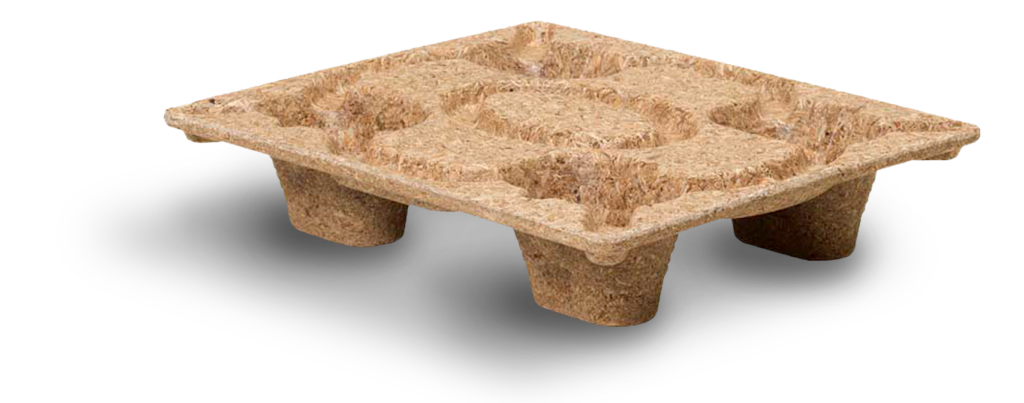
Litco’s pallets are manufactured from recycled wood fibers and resin, and are compression-molded under high heat to form a seamless, one-piece design. They are free of nails and staples, engineered for strength and safety, and certified sustainable by both the Cradle to Cradle® and USDA BioPreferred® programs. The combination of performance and environmental responsibility aligned well with Wonderful’s goals. Before adopting Litco’s pallet, Wonderful conducted internal testing to simulate real-world shipping conditions. Quarter pallets loaded with POP displays were subjected to repeated impacts replicating rough transit and handling.
While the recycled wood pallets broke after one or two impacts, Litco’s pressed wood pallets consistently withstood five to seven hits before showing signs of wear. These findings affirmed independent testing by Virginia Tech, which showed that Litco pallets are stronger, more durable, and twice as stiff as new and repaired wood pallets
Improving the Packaging Process
Wonderful’s logistics team initially secured their seasonal displays to pallets with drilled tabs, a slow, labor-intensive process that occasionally caused minor injuries. To improve safety and efficiency, Wonderful worked with Litco to test alternatives. Litco suggested gluing the bottom of the display to the pallet, and after testing and review, Wonderful adopted a process using hot melt glue. The new method involved applying a thin layer of glue onto the pressed wood pallet surface, positioning the POP display, and holding it briefly until the bond set. Plastic strapping was then applied around the entire unit to provide added stability and reinforcement during handling and transit.
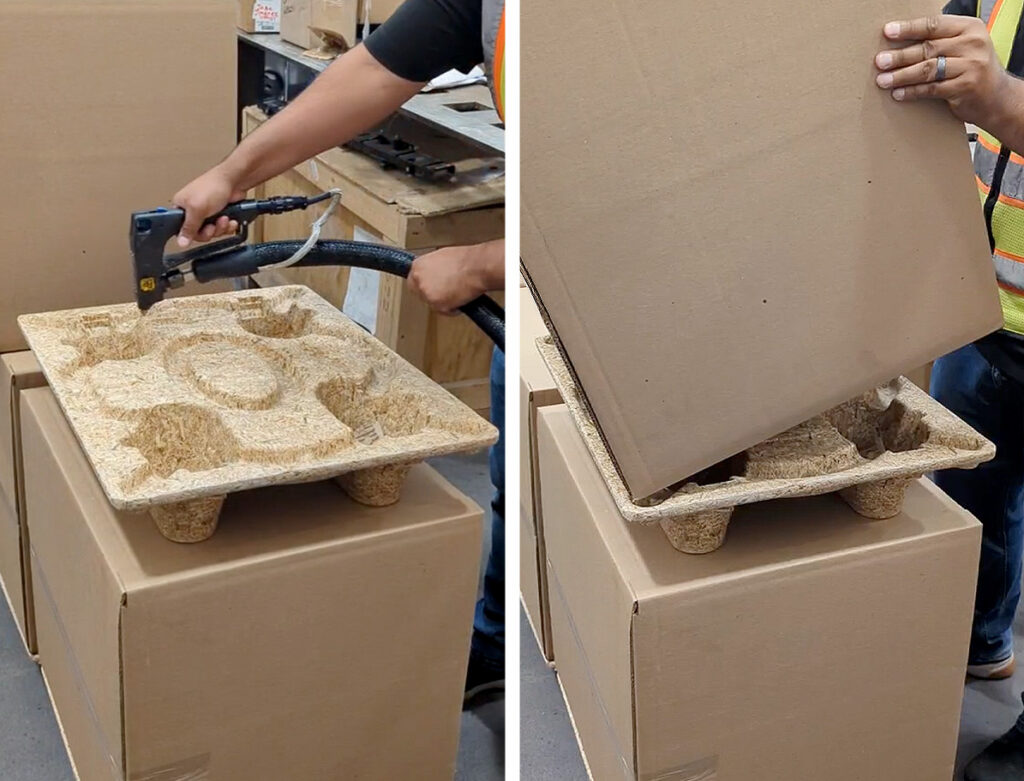
Hot-melt glue secures the inner base to the Litco pallet, improving load stability while reducing packaging time and injury risk.
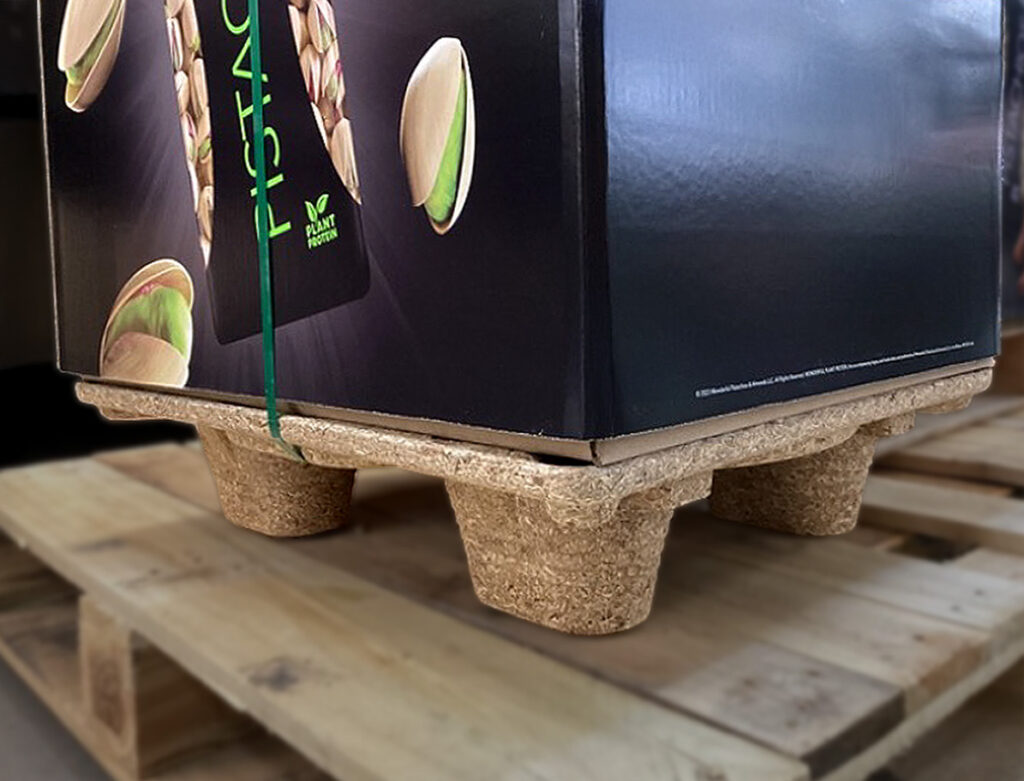
After assembly, strapping around the entire palletized unitfurther reinforces load stability.
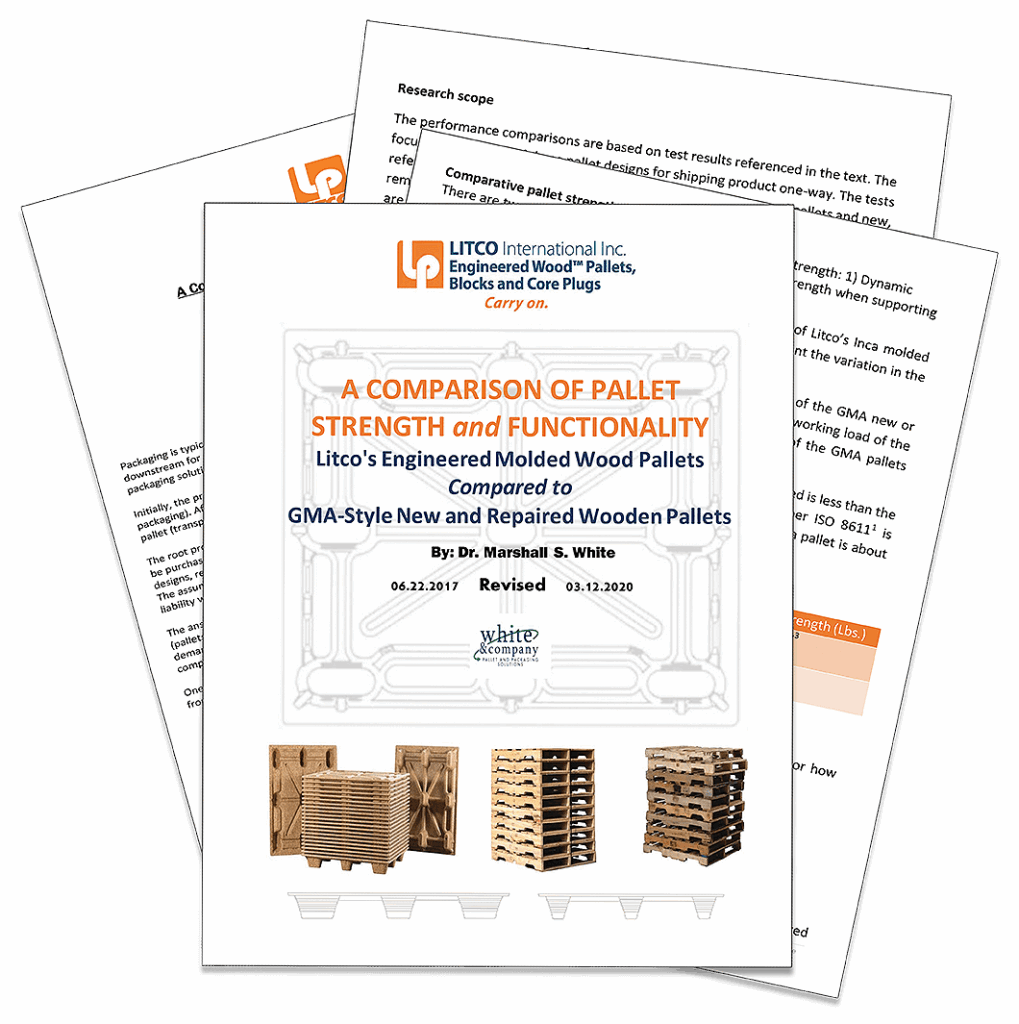
Point of Purchase Displays: 6 Clear Benefits of Pressed Wood Pallets
A POP display is only as strong as the pallet beneath it. This article outlines six ways pressed wood pallets improve display performance, safety, and efficiency across the supply chain. Explore the article to learn more.
"While the recycled wood pallets broke after one or two impacts, Litco’s pressed wood pallets consistently withstood five to seven hits before showing signs of wear."
Result
Wonderful® Pistachios partnered with Litco to adopt its pressed wood quarter pallets, leading to measurable improvements across the supply chain:

Reduced Damage And Waste
Litco’s stronger pallets significantly reduced POP display damage and product loss during shipping, ensuring more displays arrived retail ready and protected through the entire supply chain.

4X More Pallets Per Load + Storage Gains
Litco’s nestable pallets allowed Wonderful to ship more than four times as many pallets per truckload compared to recycled wood pallets (4,200 vs. 1,000), cutting shipping costs and maximizing warehouse space.

Increased Packaging Efficiency
Using a new gluing method together with traditional strapping, Wonderful simplified packaging, reduced labor, and kept displays firmly attached to pallets throughout shipping.

Safer Handling + Scratch-Free Retail Floors
Seamless, nail-free pallets minimized employee injury risks and prevented scratches on retail floors—delivering safer handling and better protection for retail environments.
Expanding The Rollout
Originally designed for select retail programs, Litco’s quarter pallets performed so well that Wonderful® Pistachios expanded their use across all regions. The solution not only addressed immediate challenges but also advanced long-term goals for safety, sustainability, and operational efficiency.
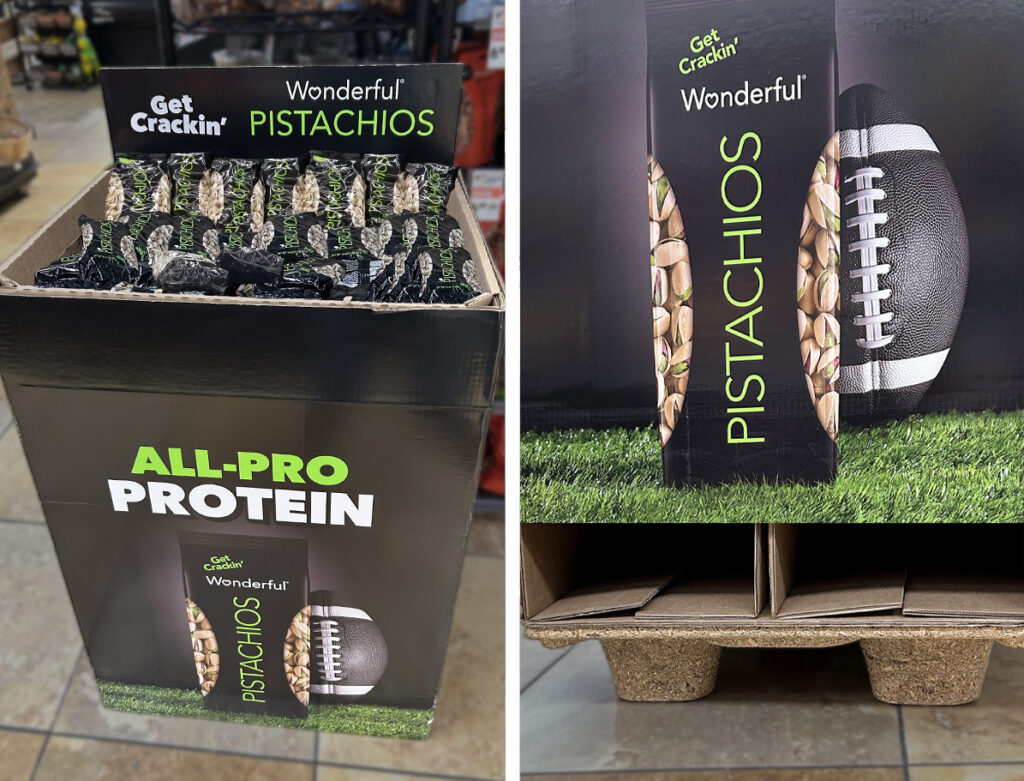
Your POP Display Deserves a Better Pallet
Don’t let a weak pallet undermine your POP investment. From warehouse assembly to distribution and the sales floor, Litco’s pressed wood pallets protect displays through shipping, handling, and in-store setup. That’s why national brands like Wonderful® Pistachios trust Litco with their Point-of-Purchase displays.
See the difference for yourself—request a sample today.
Commonly Asked Questions
How can pallet choice improve safety in warehouses and retail stores?
Pallet choice directly affects safety by reducing exposure to nails, splinters, and sharp edges that can cause injuries and floor damage.
Traditional wood pallets can create hazards during handling and in-store setup, including protruding nails, splintered boards, and loose debris. In the Wonderful® Pistachios case, those issues contributed to safety concerns for warehouse and retail staff and even scratched store floors. Switching to pressed wood pallets with a seamless, one-piece, nail-free design helped eliminate those common risks. The result is safer handling, fewer preventable injuries, and better protection for retail environments—especially important when POP displays move through multiple touchpoints in a national supply chain.
Can pallet design reduce packaging time and labor?
Yes—pallet design can reduce packaging time by simplifying how POP displays are secured and handled.
With traditional wood pallets, Wonderful® Pistachios used drilled tabs to attach displays, which added labor and could increase injury risk. Pressed wood pallets supported a faster, more consistent approach: hot-melt glue to bond the display base to the pallet, then strapping around the full unit for reinforcement. That combination reduced handling steps and improved repeatability while keeping the load stable in transit. Over time, simplifying attachment methods can shorten assembly cycles, lower labor demands, and reduce strain on teams—helping seasonal POP programs scale without sacrificing reliability.
How do nestable pallets reduce shipping and storage costs?
Nestable pallets reduce costs by allowing more pallets to be shipped and stored in the same amount of space.
Unlike traditional wood pallets that stack inefficiently, pressed wood pallets are designed to nest tightly when empty. In the Wonderful® Pistachios case, that improved pallet density dramatically—enabling more than four times as many pallets per truckload (about 4,200 vs. 1,000). Fitting more pallets into each shipment can reduce freight costs and transportation frequency, while also freeing warehouse space for staging and storage. These gains don’t just help one promotion—they create ongoing efficiency across distribution cycles and retail programs.