ARTICLE
How Sustainable Pallets Can Improve ESG Score and Strengthen Brand Reputation
Table of Contents
“Your pallet choice matters more than ever – and sustainable pallets offer advantages that extend far beyond logistics.”
Read a Case Study
Discover how Wonderful® Pistachios, America’s top-selling snack nut, solved a major supply chain challenge by switching from unreliable recycled wooden stringer pallets to Litco’s sustainable pressed wood pallets.
“In a market full of greenwashing, Litco stands apart with verifiable third-party certifications. Its Engineered Molded Wood™ pallets are certified by both the Cradle to Cradle® and USDA BioPreferred® programs.”
“Companies that use Litco’s pressed wood pallets aren’t just reducing their environmental impact — they’re strengthening their reputations, building trust, and opening doors to new business.”
May 13, 2026
9 Minute Read
For companies wanting to improve their Environmental, Social and Governance (ESG) metrics, finding a truly sustainable pallet can feel challenging. You need performance, strength, and cost efficiency – but you also need a solution that aligns with your sustainability goals. Too often, businesses default to traditional wood pallets for cost or plastic pallets for durability, yet both can increase environmental strain and weaken ESG results.
Today, supply chain sustainability directly shapes brand reputation, contract eligibility, and retailer expectations. Research and industry analysis show that sustainable supply-chain practices play a vital role in building brand trust by demonstrating environmental responsibility and ethical operations.
That means your pallet choice matters more than ever – and sustainable pallets offer advantages that extend far beyond logistics.
Retailers and brands are also realizing that POP displays and point of purchase displays are only as strong as the pallets beneath them. A cracked or unstable base can undermine an entire campaign before it reaches the sales floor. But beyond performance, choosing a sustainable pallet sends a clear message about your company’s values and long-term commitment to responsible operations.
In 2026 and beyond, the companies that win contracts and earn customer trust will be the ones that can prove their sustainability efforts from the ground up – literally. And for many, that starts with choosing the right pallet. A pressed wood pallet, for example, supports both ESG goals and operational efficiency, giving you a measurable advantage in today’s sustainability-driven marketplace.
Understanding ESG: Why It Matters
If you’re aiming to strengthen your brand reputation and stay competitive, your ESG score – short for Environmental, Social, and Governance – is more than a buzzword. It’s a quantifiable measure of your company’s impact on the world and how responsibly it operates.
Investors, retailers, and procurement teams increasingly rely on ESG data to decide which companies to partner with. High ESG scores signal transparent, ethical, and sustainable practices – while low scores raise red flags about long-term risk.
For manufacturers, distributors, and consumer brands, supply chain partners can either help or hurt your ESG performance. Every choice – from your packaging materials to your pallets – feeds into that score. That’s why sustainability at the pallet level is no longer optional; it’s strategic.
How Virgin Lumber Pallets Can Hurt Your ESG Score
Because traditional virgin lumber pallets are made from newly harvested wood, they inevitably contribute to deforestation and the loss of natural resources. The process of logging, milling, kiln-drying, and transporting fresh timber requires significant energy. Beyond environmental impacts, this heavy reliance on virgin resources strains forests that are already under global pressure.
Additionally, these pallets often need to be chemically treated for pests and moisture, adding another layer of environmental burden and potential safety risk. While they may appear “natural,” virgin lumber pallets carry a large ecological footprint, weakening your company’s environmental credibility.
When you use virgin lumber pallets, your supply chain indirectly supports deforestation and increased carbon emissions. That could be a mark against your ESG performance, especially when more sustainable alternatives are readily available.
The Problem with Plastic Pallets
Plastic pallets promise longevity, but that longevity often comes with a cost: a heavy carbon footprint and a difficult end-of-life challenge.
Most plastic pallets are made from resin derived from fossil fuels. Their production emits high levels of CO₂, and unlike wood-based options, plastic does not return to the natural ecosystem. When plastic pallets crack, warp, or become contaminated, many end up in landfills where they can take centuries to decompose.
Recycling isn’t always an option either. Not all plastic pallets are made from recyclable materials, and contamination can prevent proper reprocessing. So while plastic may appear “sustainable” at first glance due to its reusability, it frequently fails the long-term ESG test.
A Better Way: Litco’s Pressed Wood Pallets
There’s a smarter, more sustainable alternative. Litco’s Engineered Molded Wood™ pallets check every ESG box while delivering the performance today’s supply chains require.
Made from recycled and recovered wood fiber, Litco’s pallets convert pre- and post-consumer waste into a durable, high-performance product. Instead of harvesting new trees, Litco repurposes discarded material – keeping wood out of landfills, lowering carbon emissions, and preserving natural resources.
When their life cycle is complete, these pallets don’t create waste – they reenter the circular economy as mulch, compost, boiler fuel, or other recycled materials. This closed-loop design eliminates landfill waste and reduces total environmental impact.
In short, Litco’s pressed wood pallets embody the principles of sustainability: resource recovery, energy efficiency, and waste reduction.
Certified Sustainability: Proof, Not Promises
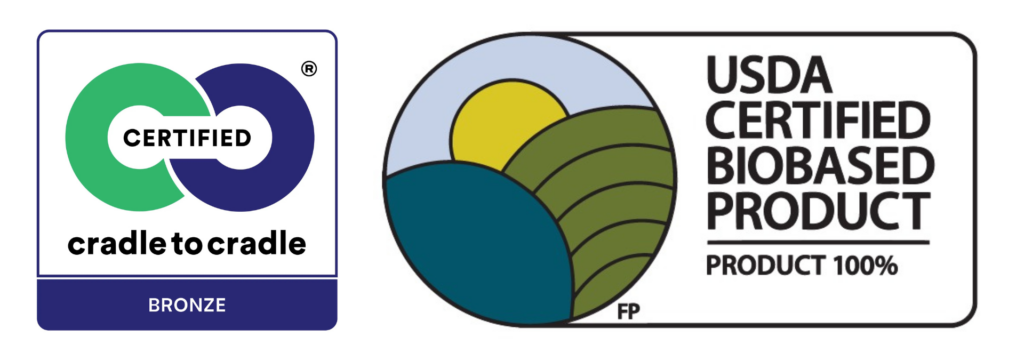
In a market full of greenwashing, Litco stands apart with verifiable third-party certifications. Its Engineered Molded Wood™ pallets are certified by both the Cradle to Cradle® and USDA BioPreferred® programs – two of the most respected sustainability standards in the world.
Cradle to Cradle® Certified
Cradle to Cradle® Certification is awarded to products that are designed for a circular economy – meaning they can be safely reused, recycled, or returned to nature without harm. This certification evaluates materials based on five categories: material health, reutilization, renewable energy, water stewardship, and social fairness.
For Litco, this certification confirms that its pressed wood pallets are safe for the environment, use renewable materials, and can continuously contribute to sustainable systems. It isn’t just a marketing badge – it’s independent proof that Litco’s products meet rigorous global sustainability standards.
USDA BioPreferred® Certified
Litco’s pallets also carry the USDA BioPreferred® label, which verifies that they are made from renewable biological resources rather than petroleum-based materials.
The USDA BioPreferred® Program promotes the use of biobased products to reduce reliance on fossil fuels, enhance sustainability in manufacturing, and lower greenhouse gas emissions. For buyers, this certification means your supply chain aligns with federally recognized sustainability goals – an advantage when bidding for contracts with corporations or government agencies that prioritize eco-friendly sourcing.
Together, these certifications provide peace of mind that Litco’s sustainable pallets are independently verified as environmentally responsible, helping your company meet its ESG and sustainability commitments.
Built-In Operational Efficiency: Sustainability That Works Hard
A key advantage of Litco’s pressed wood pallet isn’t just its materials – it’s the efficiency built into every inch of its design.
Each pallet is engineered under high heat and pressure, creating a dense, uniform structure that’s stronger than traditional alternatives. This means fewer broken pallets, less product damage, and lower replacement costs. Over time, this strength reduces waste across your entire supply chain.
Litco’s customers – especially brand owners and retailers using point of purchase displays – appreciate how this design prevents costly mishaps. A sturdy pallet keeps displays safe in transit, ensuring that your products arrive in-store looking exactly as intended. The result? Less waste, fewer headaches, and a better brand experience.
When displays arrive intact, your company also avoids the indirect emissions and material losses associated with returns, replacements, and re-shipping. That’s a clear sustainability win, both operationally and environmentally.
Smarter Logistics: Nestable Design Saves Space and Cuts Carbon
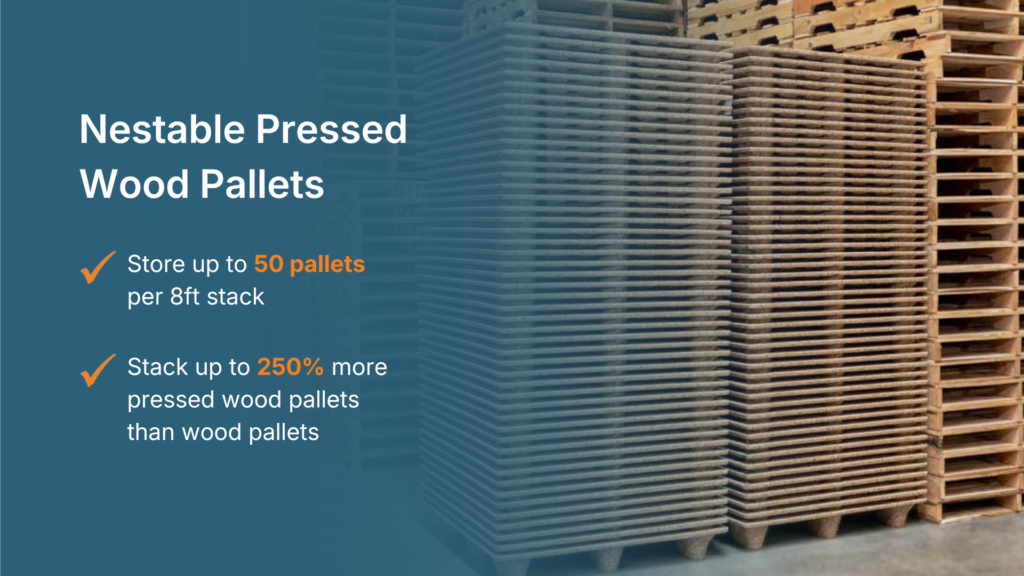
Beyond materials and durability, Litco’s pallets are molded for space efficiency. Their nestable design allows them to stack neatly within one another, taking up far less room than traditional block or stringer pallets.
This translates to measurable savings in storage and transport, in the form of high capacity space utilization. Because more pallets can fit in a single truckload, you’ll reduce the total number of trips required for shipping – cutting fuel consumption, lowering carbon emissions, and reducing logistics costs.
In sustainability terms, fewer truckloads mean a smaller carbon footprint and a more efficient use of transportation resources. For large retailers and distributors, these savings compound quickly across thousands of shipments.
When you consider the cumulative benefits – less fuel, fewer pallets, lower waste, and reduced emissions – the environmental advantages of using sustainable pallets like Litco’s become even clearer.
Why Sustainability Matters for Brand Reputation and Contracts
In today’s competitive market, sustainability isn’t just a moral choice – it’s a business requirement. Many major retailers and corporations now require their suppliers to meet specific sustainability standards or maintain strong ESG scores to qualify for contracts.
Choosing Litco’s sustainable pallets can directly improve your ESG performance, making your company more attractive to these buyers. When your logistics operations align with sustainability principles, you signal to clients and consumers that your brand is forward-thinking and environmentally responsible.
Importantly, while other pallet manufacturers may claim sustainability, few have the third-party validation and closed-loop process that Litco offers. Many competitors promote general sustainability practices, but Litco’s Engineered Molded Wood™ pallets are backed by some of the highest industry certifications available – as we’ve already established.
This distinction matters when you’re presenting your ESG credentials to stakeholders, auditors, or large buyers. Cradle to Cradle® and USDA BioPreferred® certifications are recognized across industries and by major corporations – giving your company verified proof of responsible sourcing.
And because Litco’s pallets are both sustainable and high-performing, you don’t have to compromise durability for eco-friendliness. They’re stronger by design, reducing damage and waste across your supply chain while promoting your brand as a sustainability leader.
The benefits don’t stop there. High ESG scores can lead to:
- Easier access to preferred vendor lists;
- Better relationships with eco-conscious retailers and distributors;
- Increased investor confidence; and
- Enhanced customer loyalty and brand perception.
In short, sustainability drives profitability and opportunity. Companies that use Litco’s pressed wood pallets aren’t just reducing their environmental impact – they’re strengthening their reputations, building trust, and opening doors to new business.
Partner with Litco for A Smarter, More Sustainable Supply Chain
Every choice in your supply chain tells a story. By switching to Litco’s sustainable pallets, you’re choosing innovation, responsibility, and efficiency – all in one solution.
You’ll improve your ESG score, reduce your carbon footprint, and show customers that your commitment to sustainability runs deep. Whether you’re shipping POP displays, retail products, or industrial goods, these pallets protect both your products and your reputation.
Litco’s pressed wood pallets offer measurable sustainability advantages:
- Made from recycled and recovered wood fiber
- Certified by Cradle to Cradle® and USDA BioPreferred®
- Nestable for efficient transport and lower emissions
- Strong, durable, and designed to prevent damage and waste
- Fully recyclable and part of a closed-loop system
Sustainability isn’t just about meeting standards – it’s about setting them. Litco’s molded wood pallets are a proven way to strengthen your brand’s environmental credibility, reduce costs, and secure contracts with sustainability-conscious partners.
Make 2026 the year your company moves toward a smarter, greener, and more profitable future. Connect with a sustainable pallet specialist today.
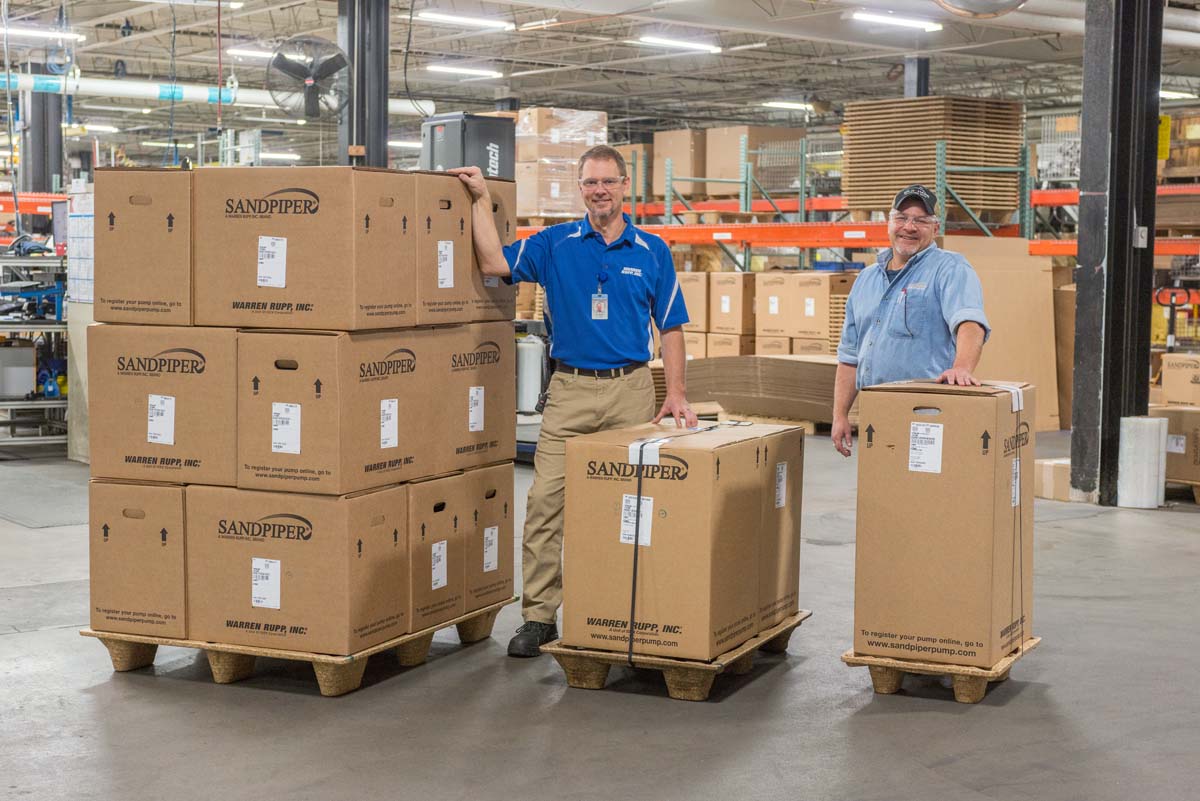
Strong sustainable pallets reduce product damage and waste across the supply chain.
Choose the Right Pallet – Choose Litco
Whether you manage a high-volume warehouse, an export operation, or retail logistics, the right pallet makes all the difference. It protects your product, streamlines your workflow, and safeguards your people. For organizations focused on reliability and long-term performance, durable pallets are an essential part of an efficient supply chain.
Litco’s pressed wood pallets provide all that – and more. Backed by data, built for durability, and linked to authoritative labs and compliance standards, they’re the smarter, safer, and more sustainable way to move your business forward.
Choose the right pallet. Choose science. Choose Litco.

Commonly Asked Questions
How do sustainable pallets improve ESG scores?
Sustainable pallets improve ESG scores by reducing waste, lowering carbon emissions, and supporting circular supply chain practices.
Litco’s Engineered Molded Wood™ pallets are made from recycled and recovered wood fiber instead of newly harvested lumber. This helps companies reduce landfill waste, conserve natural resources, and lower environmental impact across the supply chain. Because every operational decision contributes to ESG performance, choosing sustainable pallets can strengthen brand reputation, improve retailer relationships, and support sustainability reporting initiatives.
Why are traditional virgin lumber pallets less sustainable?
Virgin lumber pallets rely on newly harvested wood and energy-intensive processing that can increase environmental impact.
Traditional wood pallets require logging, milling, kiln-drying, and transportation, all of which consume significant energy and contribute to carbon emissions. These pallets may also require chemical treatments for moisture and pest protection. While they are commonly used throughout supply chains, virgin lumber pallets place additional strain on natural resources and can negatively affect sustainability goals when compared to recycled alternatives.
Are plastic pallets environmentally friendly?
Plastic pallets may be reusable, but they often carry a larger long-term environmental footprint.
Most plastic pallets are manufactured from fossil-fuel-based resin and generate significant CO₂ emissions during production. When plastic pallets become damaged or contaminated, many cannot be easily recycled and may end up in landfills for centuries. While plastic pallets are sometimes viewed as durable, they do not naturally return to the ecosystem and can present end-of-life sustainability challenges.
What are Litco pressed wood pallets made from?
Litco’s pressed wood pallets are made from recycled and recovered wood fiber.
The pallets are manufactured using pre- and post-consumer wood waste that would otherwise be discarded. Instead of harvesting new trees, Litco repurposes recovered material into durable pallets designed for modern supply chains. This closed-loop approach supports sustainability goals by reducing landfill waste and preserving natural resources.
What sustainability certifications do Litco pallets have?
Litco pallets are certified by both Cradle to Cradle® and USDA BioPreferred®.
Cradle to Cradle® Certification verifies that products are designed for a circular economy with a focus on material health, reutilization, renewable energy, water stewardship, and social fairness. USDA BioPreferred® certification confirms that Litco pallets are made from renewable biological resources instead of petroleum-based materials. Together, these certifications provide independent verification of Litco’s sustainability claims.
How do nestable pallets reduce shipping costs and emissions?
Nestable pallets improve transportation efficiency by allowing more pallets to fit in less space.
Litco’s molded wood pallets are designed to stack neatly inside one another, reducing storage and shipping space requirements. Because more pallets can fit into a single truckload, companies can reduce transportation trips, fuel consumption, and carbon emissions. These logistics efficiencies also help lower overall supply chain costs.
Are pressed wood pallets strong enough for retail displays?
Yes. Litco’s pressed wood pallets are engineered for strength, consistency, and durability.
Each pallet is manufactured under high heat and pressure to create a dense, uniform structure that helps reduce pallet breakage and product damage. This is especially important for point of purchase displays and retail shipments where pallet stability helps protect products and maintain presentation quality throughout transit.
Can sustainable pallets help companies win more business?
Sustainable pallets can help companies strengthen ESG performance and improve supplier competitiveness.
Many retailers, corporations, and procurement teams now prioritize suppliers with strong sustainability practices and ESG initiatives. Using certified sustainable pallets demonstrates environmental responsibility and supports supply chain sustainability goals. This can improve brand reputation, increase customer trust, and help companies qualify for sustainability-focused contracts and vendor programs.