Composite
Pallet Blocks
Made in the USA


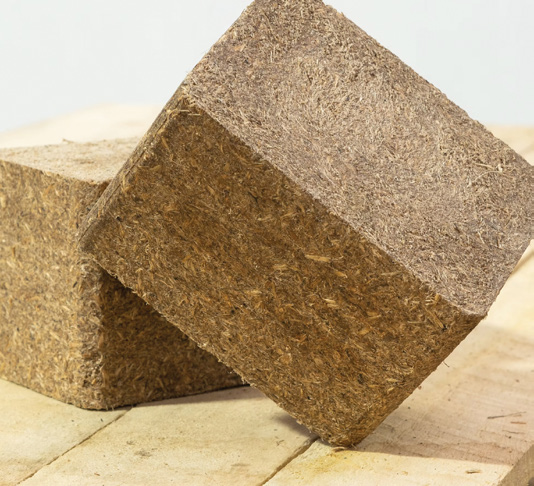
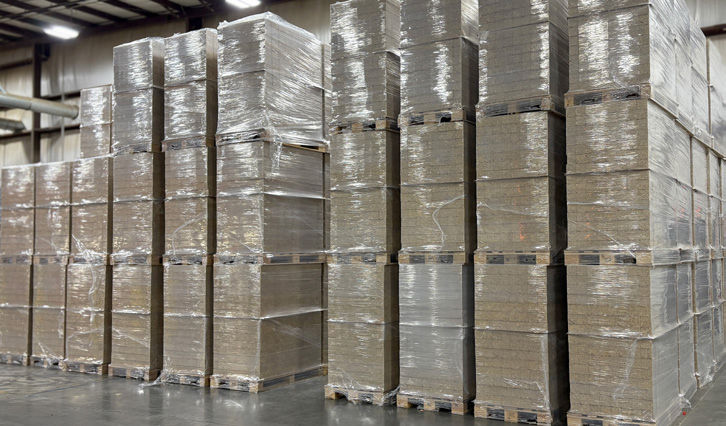
Get the pallet blocks you need without importing or cutting solid wood on-site. YellowUSA produces engineered composite pallet blocks from recycled wood fiber in Dover, Ohio, using internationally developed extrusion technology. Available through Litco, YellowUSA’s primary U.S. distributor, the blocks are stronger than solid wood and arrive sized to your specifications, ready for your line.
When Block Supply Gets Complicated, We Make It Simple
Made Here, Not Shipped In
YellowUSA composite pallet blocks are produced in Dover, Ohio. There’s no ocean freight, import tariffs, or overseas delays. Blocks are ready one calendar week after receipt of your original PO.
Pull Pallet Blocks Straight into the Line
No more keeping pine or spruce on hand and cutting every block as you go. Blocks arrive sized and ready to use, eliminating the cutting station along with the labor and waste that come with it.
Get the Same Block Every Time
Each block is extruded under controlled conditions, then inspected and weighed to spec, without the knots, splits, and variation of sawn wood. Because the blocks are made from recycled wood fiber, supply and pricing are less exposed to lumber market swings.
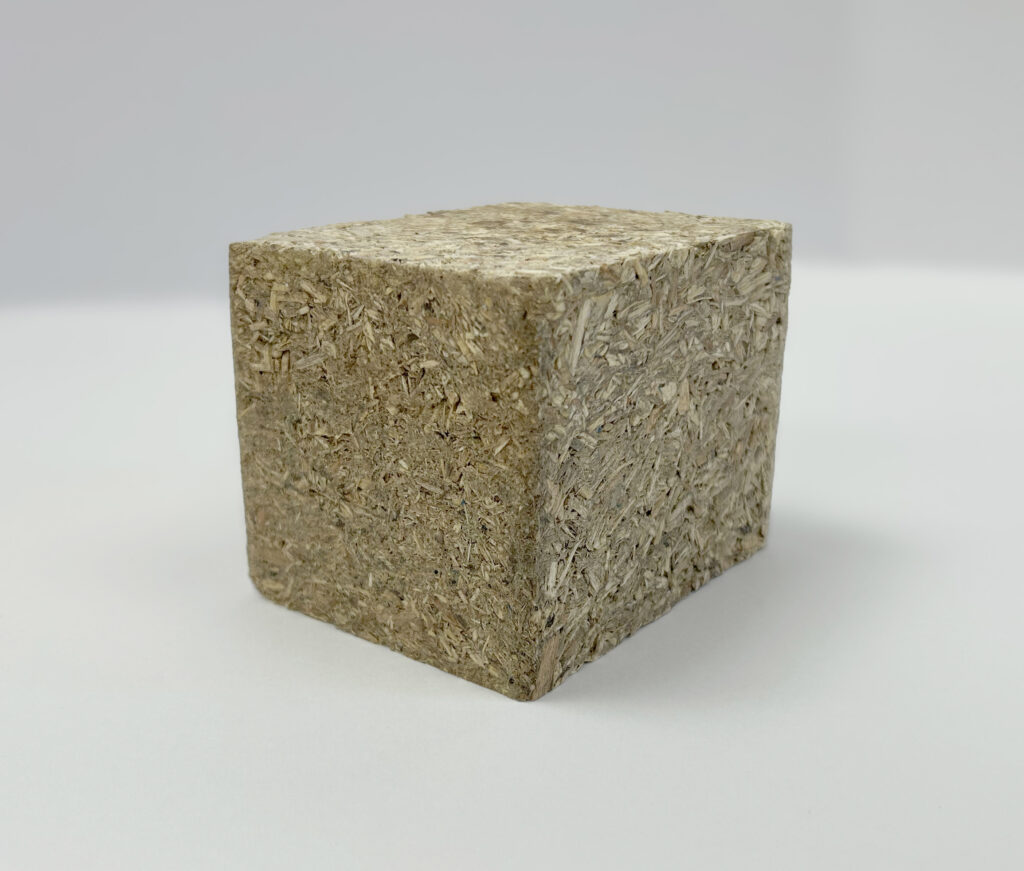
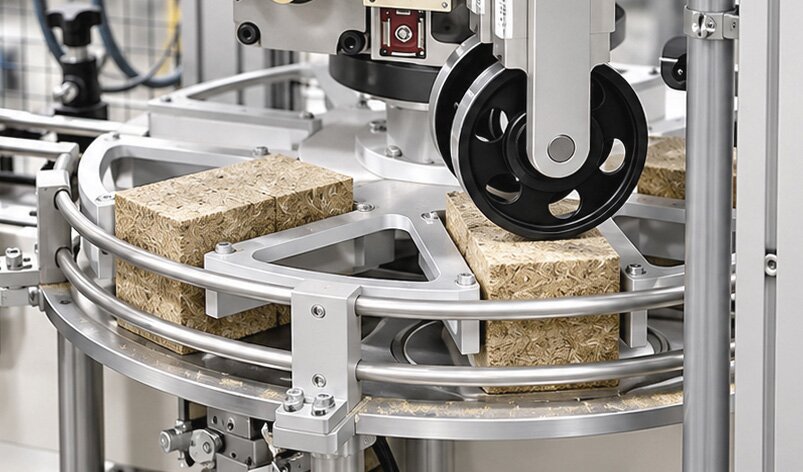
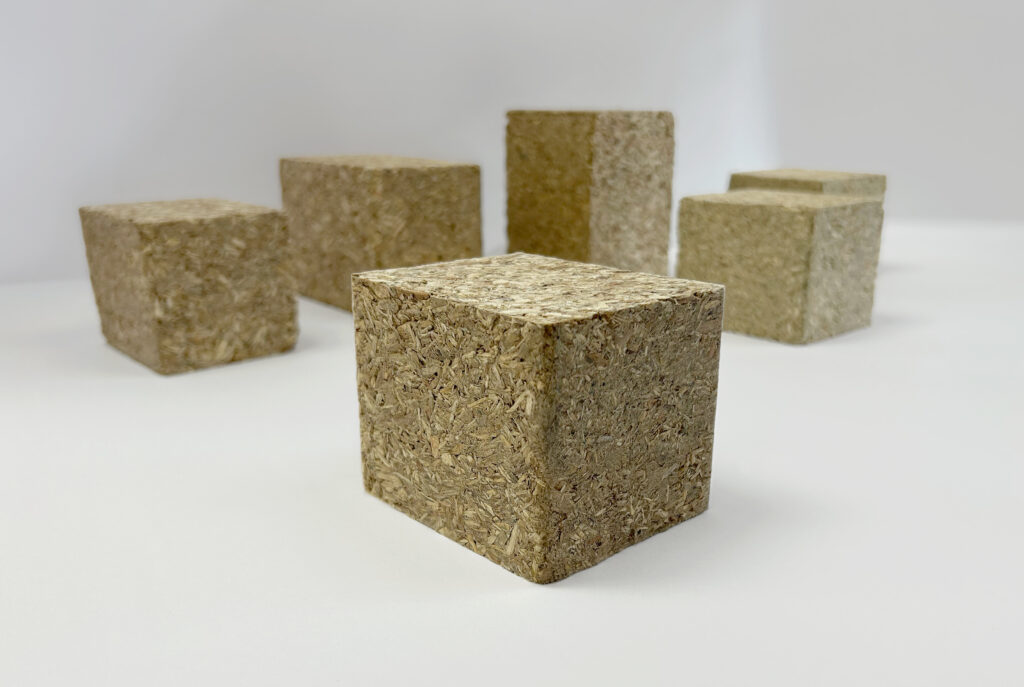
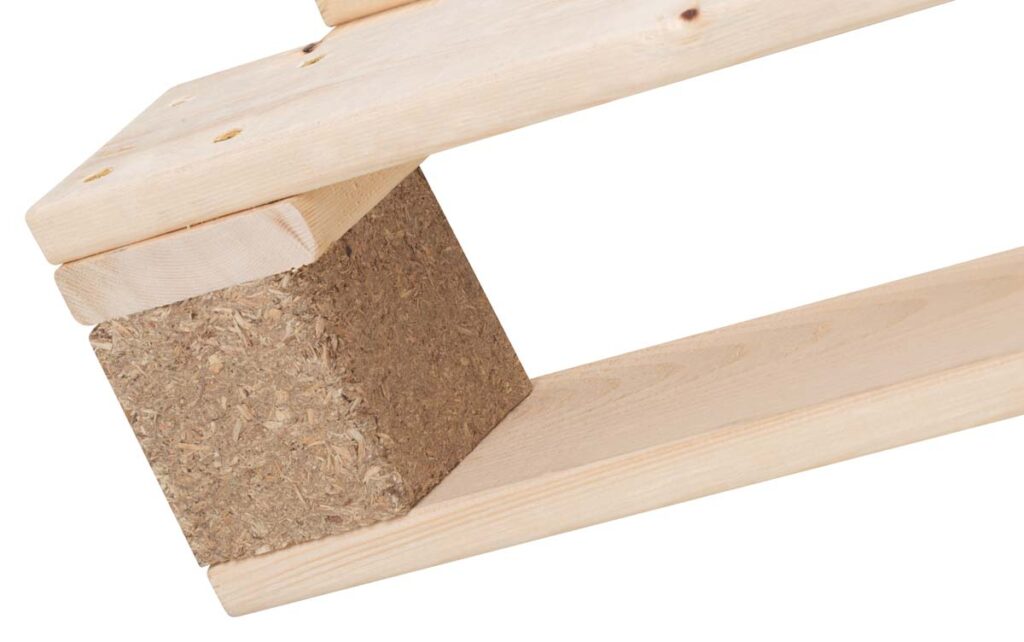
International Engineering. Ohio Manufacturing.A Shorter Supply Chain.
YellowUSA is the sole producer of engineered composite pallet blocks in the U.S. At our Dover, Ohio, plant, every block is made using international wood fiber R&D and extrusion expertise. The blocks use recycled fiber and have been independently tested at Virginia Tech to meet or exceed industry standards. As YellowUSA’s strategic partner and primary U.S. distributor, Litco connects pallet builders with this domestic supply.
Truck delivery from Ohio keeps lead times short, so you can plan production with confidence and respond faster to demand. When a port backs up, your supply keeps moving.

Standard Pallet Block Sizes in Stock and Ready to Ship
| Block | Dimensions (in) L × W × H |
Blocks per pallet | Pallets per truckload | Blocks per truckload |
|---|
Truckload math
One truckload of CP7 builds
5,800 pallets
at 9 blocks per pallet · 52,200 blocks per truckload
Lead time
One calendar week after receipt of original PO
Pickup location
Dover, Ohio
3005 Progress Street, Dover, OH 44622
Pickup hours
Monday to Friday
8:00 a.m. to 3:00 p.m. Eastern.
Independently tested
Proven at Virginia Tech
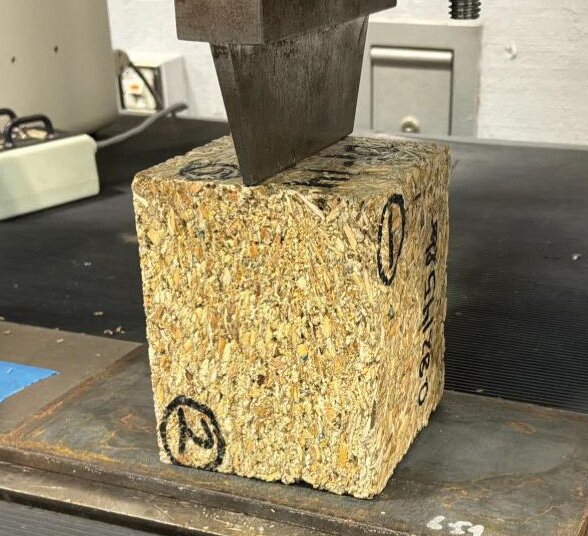
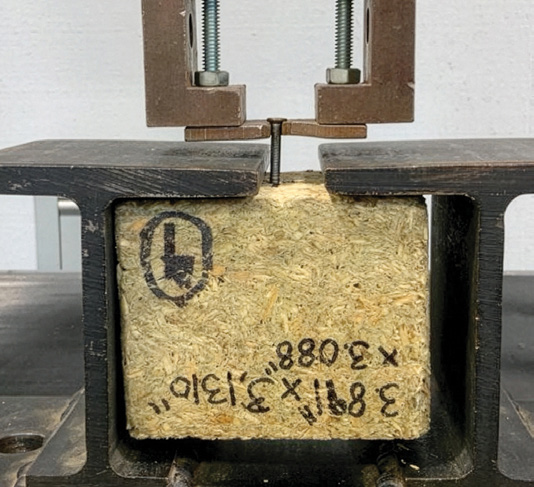
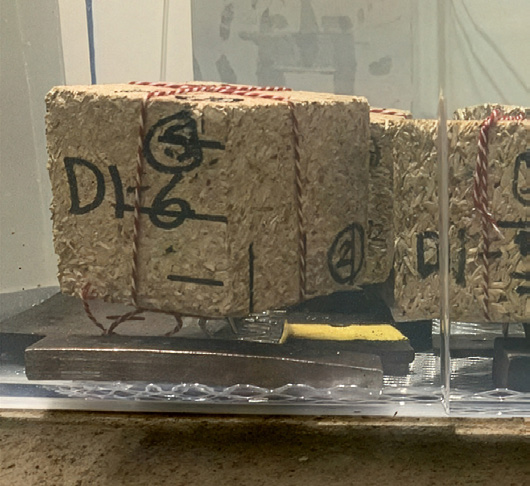
The CP7 pallet blocks were tested by Virginia Tech’s Center for Packaging and Unit Load Design in June and July of 2026 and exceeded all four durability tests by a wide margin on every strength requirement (ANSI MH1 2021).
Strength versus the ANSI MH1 minimum
Average of 10 samples per test, measured in lbf
CP7 measured ANSI MH1 (2021) minimum
24 hour water soak: within every tolerance
Average change after 24 hr full submersion at 0.2 psi, against the ANSI MH1 allowed maximum
Impact energy absorbed before failure
21 incline impacts at increasing severity, failure only at 12 in. under 719 lbs. Modified ISO 8611.
Other pallet block sizes use the same materials and manufacturing process as the CP7 blocks but were not evaluated in this report.
Solutions Provider
We Listen. We Improve.
We Find a Better Way.
Pallet builders told us they were stuck choosing between blocks shipped across an ocean and a worker cutting lumber all day. We found a better way by partnering with YellowUSA. Its engineered composite pallet blocks are made next door to us in Dover, Ohio, and every block is inspected and weighed to spec. As YellowUSA’s sourcing partner and primary U.S. distributor, we bring the same attention and care that helped build our molded wood pallet and core plug business to every shipment.
Why Choose YellowUSA
Composite Pallet Blocks?
- Made in the USA. Produced in Dover, Ohio, with no ocean freight, import tariffs, or overseas delays.
- No cutting required. Blocks arrive sized and ready to use, eliminating on-site cutting and waste.
- Industry tested and trusted. After extensive testing and validation, a leading U.S. pallet pooling company chose YellowUSA blocks, with logistics data to back it up.
- Steady supply, shorter lead times. Made from pre- and post-industrial wood fiber instead of sawn lumber, so supply isn’t tied to lumber market swings. Orders are generally ready one week after we receive your PO.
- Consistent size, weight, and density. Recycled wood fiber is sized, dried, and extruded under controlled conditions. Every block is inspected and weighed to spec.
- Export-ready. As processed wood, the blocks themselves are exempt from ISPM‑15 heat treatment and stamping requirements.
- Insect-free and mold-resistant. High-heat extrusion kills insects and bacteria and reduces moisture, helping the blocks to resist mold.
- Supports sustainability goals. Made from recycled wood fiber instead of virgin lumber, so reclaimed material gets a second life in a more circular supply chain.
Know What You Need?
Tell us the pallet block size and volume, and our team will be in touch within one to two business days. We focus on half-load and truckload orders.

Your block specialist
Bob Caldwell
Sales Manager, Litco International
Pallet Blocks FAQs
What are composite pallet blocks?
Composite pallet blocks are engineered wood blocks made from recycled wood fiber that is dried, compressed, and cured into a consistent shape. They replace sawn pine or spruce blocks in block pallets and crates.
YellowUSA composite pallet blocks start as pre- and post-industrial wood fiber, not sawn lumber. The fiber is sized, dried, and extruded under controlled conditions, cut to length, and then measured on an inspection carousel that checks every block’s height and weight. Every block has a density between 550 and 680 kg/m³, so the block your crew nails today matches the one they nailed last month.
Why use composite pallet blocks instead of cutting pine blocks in-house?
Composite pallet blocks arrive sized and ready to use, so you don’t need a cutting station, saw, or extra labor on your line. They are also more consistent than sawn wood.
Most block pallet builders keep pine or spruce on hand and cut blocks as they build. That means floor space, a saw, offcuts, and a worker whose whole job is feeding it. Composite pallet blocks come off the truck ready to pull straight to the line, without the knots, splits, and moisture swings of sawn wood. Compare our four standard block sizes to see which fits your build.
Can composite pallet blocks be used in CP pallets?
Yes. CP7 is the most common block in CP (chemical) pallets, and YellowUSA’s CP7 passed all four ANSI MH1 (2021) durability tests at Virginia Tech with a wide margin on every strength requirement.
The Center for Packaging and Unit Load Design at Virginia Tech tested the CP7 blocks in June and July 2026. They came in 57% above the ANSI MH1 minimum for side tine compression, 43% above it for fastener withdrawal, and within every tolerance after a 24-hour water soak. Other block sizes use the same materials and manufacturing process as the CP7 blocks but were not evaluated in this report.
Do composite pallet blocks need ISPM-15 heat treatment?
No. Composite pallet blocks are processed wood, and ISPM-15 exempts processed wood from heat treatment.
Under the IPPC’s ISPM 15 standard, packaging made wholly of processed wood (material formed with glue, heat or pressure) is considered low pest risk. One thing to plan for: if you pair composite pallet blocks with sawn deck boards, those solid wood components still need to be treated and the pallet marked. The standard allows that mark to sit on the processed wood component, so the block can carry it.
How quickly can I get composite pallet blocks?
Standard sizes are ready one calendar week after Litco receives your original PO.
Blocks are produced in Dover, Ohio, so there’s no ocean freight, tariffs, or customs. Pickup is at 3005 Progress Street in Dover, Monday to Friday, 8:00 a.m. to 3:00 p.m. Eastern. Building a recurring program? Tell us your volume, and we’ll plan around your build schedule.
Do you make custom pallet block sizes?
Yes. Custom pallet block sizes are available based on your dimensions and order quantity.
Four standard sizes stay in stock: the 75 Cube, CP7, BK2, and BK1. If your pallet design calls for something different, send the length, width, height, and expected volume through Litco’s online quote form, and our team will tell you what’s possible.
Can composite pallet blocks be used in crates?
Yes. Crate builders use composite pallet blocks as corner and foundation blocks in place of cut 4×4 posts.
Instead of cutting an 8-foot 4×4 down to size, a crating line can pull a pre-sized block and nail it in place, which saves time and labor on every unit. If you’d rather have the whole crate engineered for you, see Litco’s custom wooden shipping crates.